UK Research and Innovation · Creative content · Editorial strategy · Storytelling
Overview
At UK Research and Innovation, I worked across content production, campaigns, case studies, news, brochures and video. One of the pieces I am most proud of was a film and written case study for Agroceutical Products, a Welsh farming business growing daffodils rich in galanthamine, a compound used in treatments for Alzheimer’s disease.
The existing Success Stories format was typically a short corporate talking-head film: a business leader explained the technology, supported by footage of the workplace or laboratory. The films were relatively low-cost, around two to three minutes long, and usually attracted only modest audiences.
I proposed trying a more narrative-led approach: finding the human story behind the innovation rather than making the technology itself the whole story.
Role: Content producer / creative lead
Organisation: UK Research and Innovation
Project: Success Stories – Agroceutical Products
Format: 3-4 minute film plus written GOV.UK case study
Approximate production budget: £8,000-£10,000
My contribution: Concept, brief, treatment and script input, interview questions, on-location interviews, edit feedback, stakeholder approval and written case study
The opportunity
The subject initially sounded like a typical innovation story: a company had developed a way to grow daffodils in the Welsh Black Mountains with high levels of galanthamine, which could then be extracted for use in Alzheimer’s treatment.
But when I interviewed the founder, a more interesting story emerged.
He was a sheep farmer working in a family business. His father, in his eighties, was still farming. His teenage son wanted to continue the family tradition, but the founder was worried that rising costs, lower subsidies and wider pressure on farming would make that future difficult.
The daffodil business was therefore not only about developing a medical ingredient. It was also an attempt to create a sustainable future for the next generation of the family farm.
That became the narrative: three generations of one family, an uncertain future for traditional farming, and an unexpected connection between the Welsh landscape and Alzheimer’s treatment.
Changing the format
I proposed changing the usual Success Stories format and agreed a larger scope and budget with my manager.
I wrote the creative brief and worked directly with a production company we had used before to explore what could be achieved within the budget. Together we developed the treatment and script, with the film built around interviews with the founder, his father and his son.
I wrote the interview questions and conducted the interviews on location. The production company handled filming, direction and editing, while I provided feedback on the story and edit alongside my manager and arranged stakeholder approval.
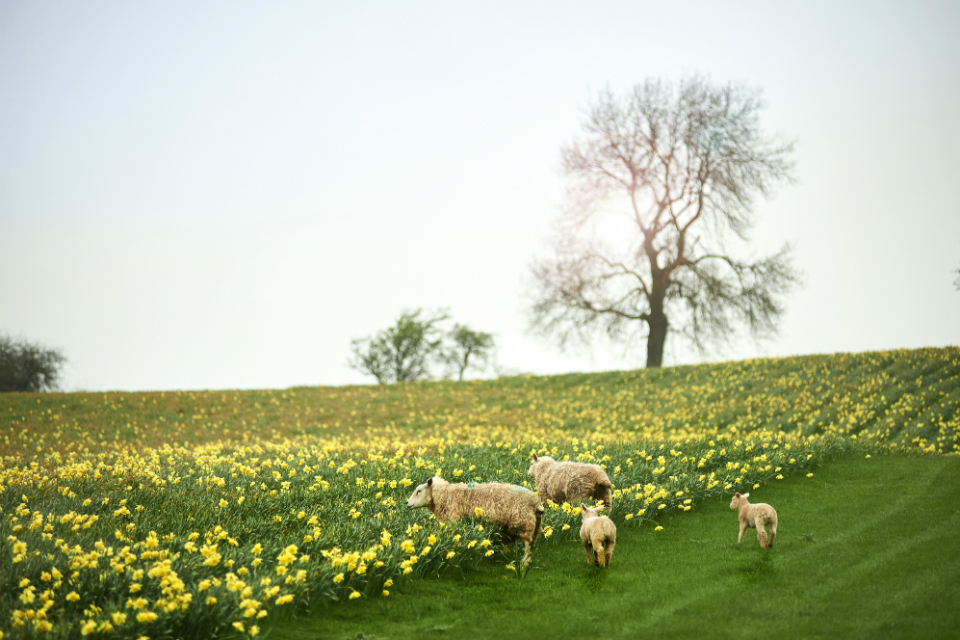
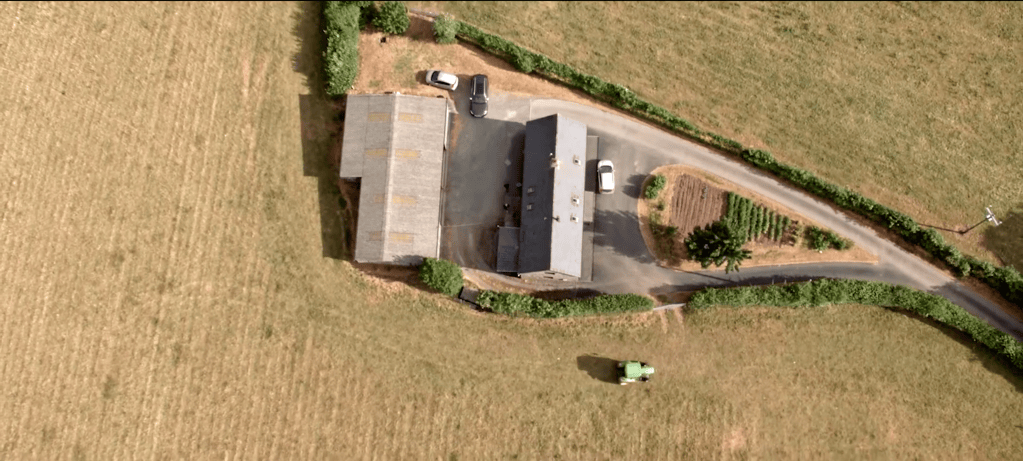
We also used drone footage and a wider range of location shots to make the farm, sheep, daffodils and mountains part of the story rather than simply background.
Extending the story across formats
I also wrote a full written case study for GOV.UK, giving the story a second format that could explain the innovation and its impact in more detail.
This was important to me because the film did not have to carry every factual detail. The video could focus on emotion, character and narrative, while the written case study could provide the fuller context.
Outcome and reflection
The film was well received internally and reached thousands of views, substantially more than the typical Success Stories videos I had seen before.
Rather than repeat the same higher-budget production model, we used what we had learned to develop a more sustainable approach. I worked on three further films with a different videographer who was interested in moving beyond conventional corporate content. Together, we looked for narratives that went beyond the funding itself and used location, interview and visual storytelling more creatively, while keeping production time and costs lower.
This gave us a practical compromise: retain the stronger human storytelling and editorial approach without needing the larger budget or more elaborate production techniques of the Agroceutical Products film.
The experience reinforced something that has continued into my later work: the first brief or organisational message is not always the most interesting story. The innovation and funding still mattered, but the content became much more engaging when we found the people, motivations and consequences behind it.
What this demonstrates
- Creative direction – reframing a conventional corporate video around a stronger human narrative.
- Editorial judgement – identifying the story that would make a technical subject interesting to a broader audience.
- Interviewing and scripting – researching the subject, writing interview questions and helping shape the treatment and script.
- Multi-format content – using film and a written GOV.UK case study to tell different parts of the same story.
- Production collaboration – working with an external production company, budget, edit process and stakeholder approvals.
- Range – demonstrating creative storytelling alongside my later service and content design work.

 Andy Price